COMMON EUROPEAN ENERGY DATA SPACE – INSIEME PROJECT PLENARY MEETING

The INSIEME European project is advancing Europe's transition towards fully digitalised, decarbonised and distributed energy infrastructures through large-scale collaboration across the energy and data value chain.
With a consortium of more than 50 European partners, INSIEME is developing and piloting the remaining building blocks needed for the full operationalisation of the Common European Energy Data Space, bringing Europe's energy data infrastructure closer to reality through more than 15 deployments across EU Member States.
From 14th to 16th of April, the INSIEME project consortium gathered at ENEDIS headquarters in Paris for a three-day plenary meeting, bringing together project partners to review the progress achieved during the project's first year, align on key developments, and discuss the next steps towards the implementation of the Common European Energy Data Space (CEEDS).

The meeting highlighted progress in the development of
the INSIEME architecture, the preparation of the project's European
deployments and the definition of the technical and governance foundations
required to connect energy data ecosystems across countries, organisations and
sectors.
A central topic was the development of the Common Reference Model, which is intended to support consistent data exchanges and improve interoperability and scalability across European energy data ecosystems. This work will help different national and European data spaces communicate through common models and interfaces, while supporting connections with data spaces from other sectors.

A particular highlight of the plenary meeting was the
stakeholder roundtable event held on 16th of April, which brought
together representatives from European TSOs, DSOs, policymakers, research
organisations, technology providers and industry to discuss the future of
European energy data spaces.
The discussions focused on four key themes shaping the future European energy landscape:
* Building practical Energy Data Spaces, examining how better data integration can improve affordability, grid reliability and European competitiveness while ensuring robust data protection and customer trust.
* Governance
and value creation, exploring
how interoperable data sharing can unlock new digital services, support
AI-enabled applications, preserve data sovereignty and create value for both
regulated and competitive energy markets.
* Data-driven
flexibility services, discussing
how secure and interoperable data exchange can enable scalable flexibility
mechanisms, energy communities, real-time grid management and resilience
through coordinated collaboration between system operators, energy suppliers
and consumers.
* Standardisation as the foundation of interoperability, highlighting the importance of harmonised European standards, federated data spaces and common information models to ensure secure and consistent data exchange across the energy sector.
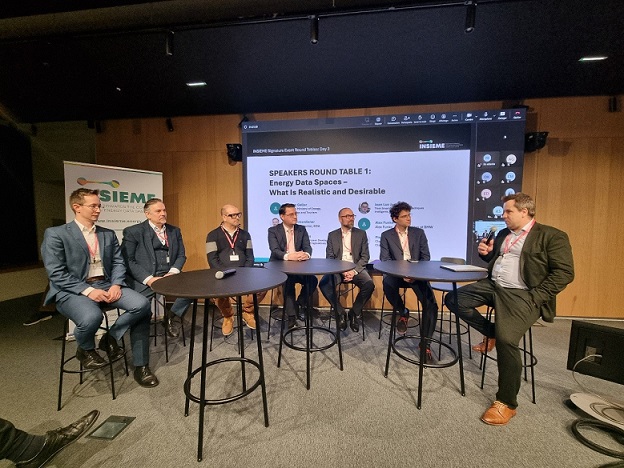
These discussions reinforced one of INSIEME's central
messages: the future energy system depends not only on digital technologies but
also on trusted governance, common standards and effective collaboration
between all stakeholders.
REN and R&D Nester continue to play a key role in advancing the project, particularly through:
* The development of the PEGNIPO ("Portuguese Electricity and Gas Networks for Integrated Planning and Operation") deployment;
* Contributions
to governance and stakeholder engagement activities;
* Participation
in ongoing technical work related to data spaces and interoperability.
Looking ahead, the consortium will continue refining and validating the project's technical solutions, strengthening interoperability between the different deployment sites and further advancing the implementation of the Common European Energy Data Space. By combining large-scale demonstrations, common reference models and collaborative governance, INSIEME is helping establish the digital foundations needed for a more resilient, flexible and integrated European energy system.
For more information:


This work has been co-funded by the European Union's Digital Europe
Programme under grant agreement No. 101194952